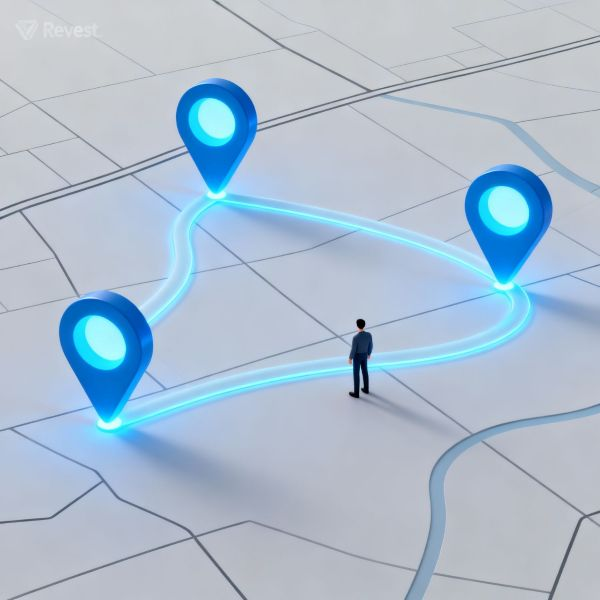
In recent years, the concept of "Omnichannel" has been the goal for every retailer. The idea was simple: be present wherever the customer is, whether in physical stores or through a website. However, practical reality has revealed a major challenge: being everywhere does not necessarily mean "working in harmony".
Many organizations today have many challenges from separated systems, where the store operates in isolation from the warehouse, and website data is disconnected from point-of-sale (POS) data. The result? Inaccurate inventory, decisions based on guesswork, and a weak customer experience.
This is where the importance of a "Unified Retail Platform" emerges
Today, executives and operations managers find themselves facing "data islands". Inventory systems don't communicate with sales systems, and customer data is scattered between the online store and physical showrooms. The Unified Retail Platform concept arrives to unify operations and data into a single center.
What is the fundamental difference?
While Omnichannel focuses on "linking" different sales interfaces together, a Unified Retail Platform operates on a different principle: a single source of data. In a unified platform, there are no separate channels that need linking; instead, there is one central platform managing everything simultaneously:
- Comprehensive Inventory Visibility: Updating stock levels instantly across all branches and digital platforms to prevent product stockouts or overstocking.
- Unified Customer Data (Customer 360): Understanding the full customer journey by accurately tracking every interaction point, enabling effective personalized experiences.
- Data-Driven Decisions: Instead of delayed manual reports, the unified platform provides the necessary infrastructure by gathering all data together to deliver real-time analytics that help forecast demand and optimize operations.
What is the difference in infrastructure?
The difference lies in the underlying technical structure:
- In Omnichannel: Separate systems are used for each channel, with attempts to "link" them via APIs. This often results in data update delays and maintenance difficulties.
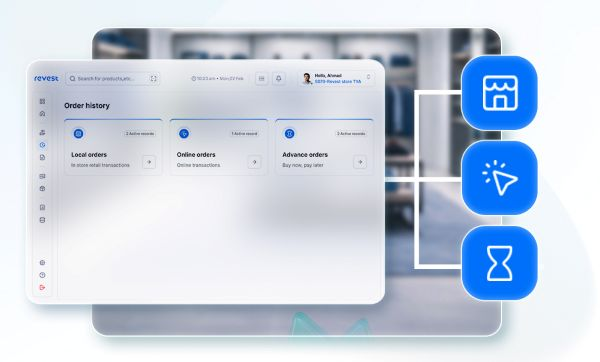
- In a Unified Retail Platform: Everything is built on a single platform. Inventory, orders, customer data, and payments all stem from a single "core". If an item is sold in a remote branch, the online store recognizes this within milliseconds.
Unified Retail Platform: The new engine for retail growth
The customer sees "one brand". When a customer buys a product online and wishes to exchange it in-store, they expect the sales associate to know their order history immediately. In fragmented systems, the employee is forced to apologize or contact another department, creating a frustrating experience. A Unified Retail Platform enables your team to provide a Personalized Experience because they have a 360-degree view of every interaction the customer has made.
Operational Efficiency: Maximizing value and reducing expenses
Investing in a unified platform like Revest is not just about increasing sales; it is about reducing operational waste:
- Inventory Optimization: Accurate inventory means no lost sales opportunities due to "phantom stockouts" and no freezing of liquidity in unnecessary surplus.
- Process Automation: Instead of wasting hours manually matching reports between branches, the unified system synchronizes accounts and operations automatically.
- Future Readiness: With a unified infrastructure, adopting technologies like "Predictive AI" becomes easy, as AI requires clean, unified data to function efficiently.
The role of AI in the unified ecosystem
At Revest, we believe a unified platform is the solid foundation for AI. Through Revest Mind, we turn data into "signals" that help retailers take proactive, calculated actions. The system alerts you automatically: "This product will run out of stock in the Riyadh branch within two days based on current sales velocity; we suggest moving 50 pieces from the Dammam warehouse now". This level of proactivity is impossible in a fragmented system environment.
Why is now the right time for change?
Traditional systems have become a burden in terms of maintenance and scalability costs. Moving to a Unified Retail Platform powered by AI technologies is a competitive advantage that enables companies to grow with greater flexibility and speed.
We at Revest believe that technology should simplify operations, not complicate them. Therefore, we designed our platform to be the engine that brings together POS, warehouse management, and daily operations in one place, enabling retailers to focus on what matters: their customers and the growth of their business