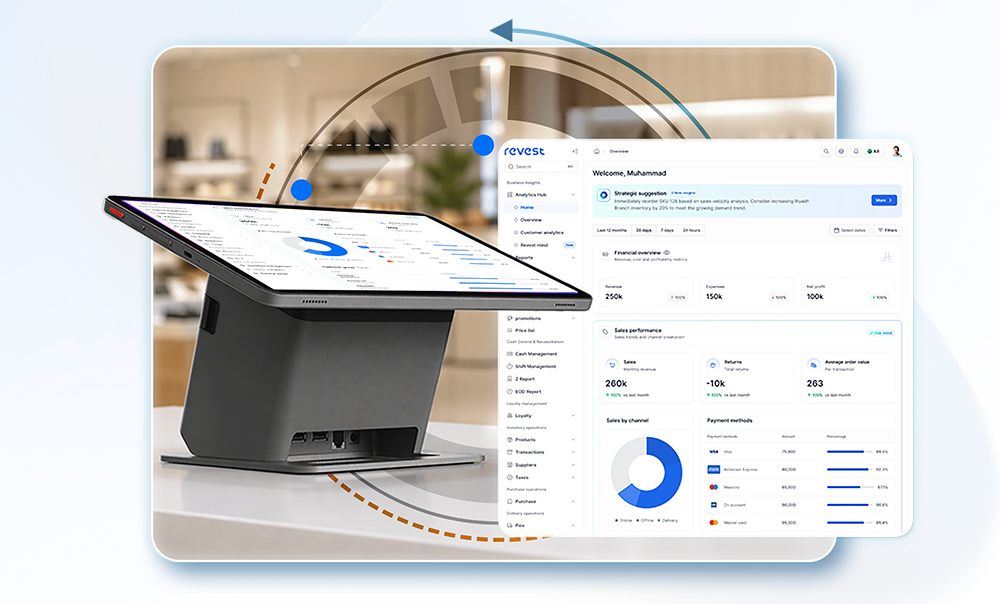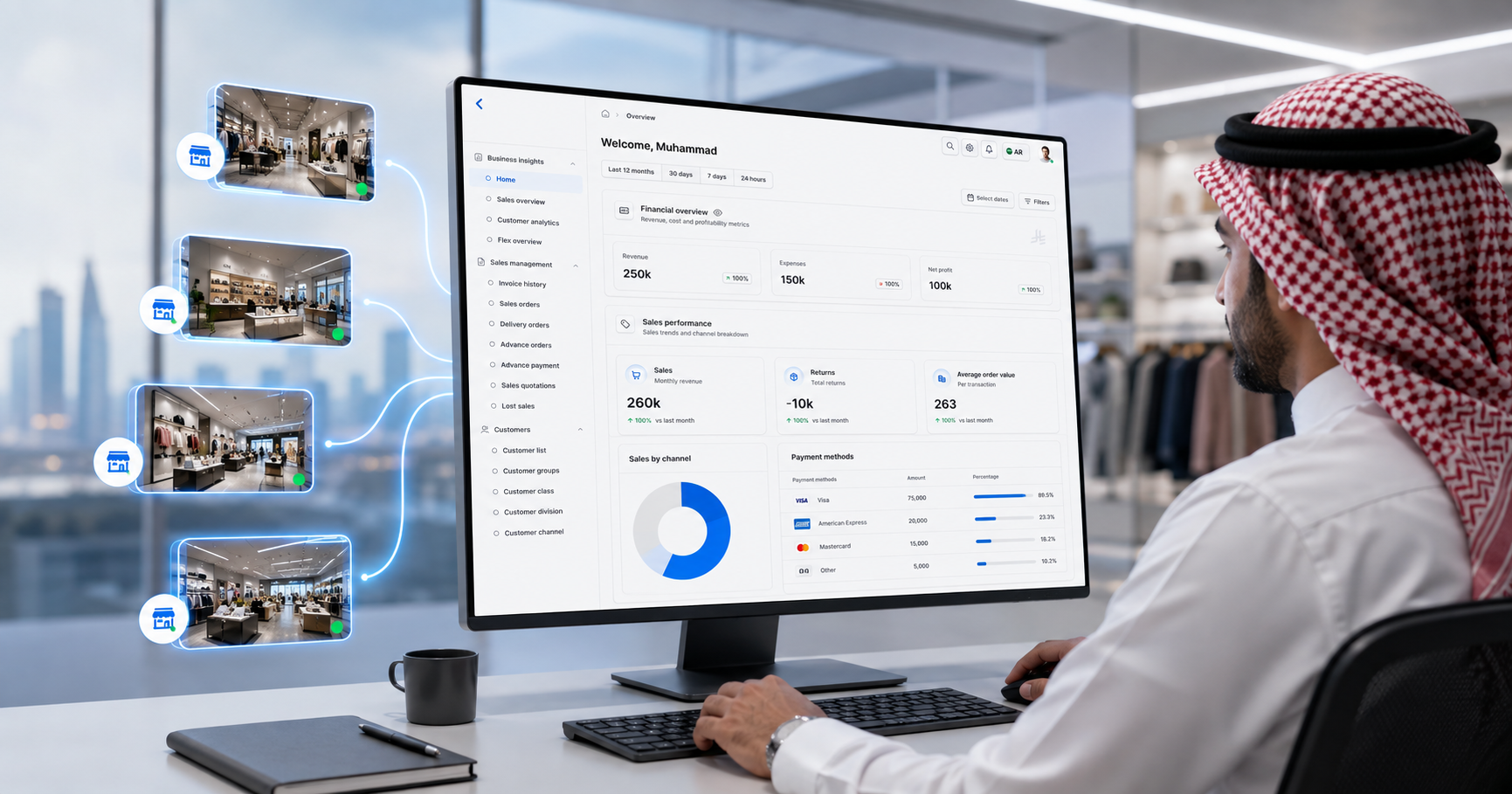
As a retail business owner, you know how much work goes into running a successful store. You're managing inventory, tracking sales, coordinating with staff, and making sure customers have a consistent and seamless experience every time they enter your store. Now imagine doing all of that across three, five or even more locations.
That's where multi-store retail management comes in. It means managing all your store locations through a connected system. Giving you a birds eye view of sales, inventory, pricing, and performance across every store; without having to manage each one separately.
At first, opening a second store feels like a win. Then comes your third, your fifth, and maybe even your fifteenth. Your business is growing, but keeping every location aligned becomes increasingly difficult.
By then, you might start getting calls asking why some products are priced cheaper in another store, because something must have slipped through the cracks.
In this guide, we'll break down the nitty-gritty of multi-store retail management, from keeping pricing and inventory consistent across stores to tracking performance and scaling your operations without losing control.
The growth dilemma: why do some retail chains struggle to expand?
Every new store adds more people, more stock, more transactions and more decisions. Let’s be real, if you’re operating with minial resources, it’s a another word for headache. When every store uses its own spreadsheets, sets prices independently, and follows different return procedures, head office loses sight of what's really happening on the ground. And with every new store, that gap grows wider. Until things get out of control.
You’ve probably felt that gap already if you’ve recently opened up a new store. Reports start to arrive to you a day or a week late. A customer gets a different experience in Riyadh than in Jeddah. Opening a new store takes weeks of setup, and someone from IT has to be there in person. Let alone hiring separate IT professionals across every store.
The good news is that the fix isn’t more people checking more spreadsheets. It’s one platform that every store works from. If you’re still choosing that platform, start with our guide on what a POS system is and how to choose one.
The four pillars of successful multi-store and franchise management
Whether you manage five stores of your own or fifty franchise locations, successful multi-store retail management comes down to the same four key things that keep every store running smoothly and consistently. Let’s go over them together.
1. Standardization: the secret to consistency
Your customers don’t care which store they walk into. They expect to receive the same service, the same product, the same price and the same promotion everywhere. That only happens when your catalogue, price lists and promotions are managed centrally and pushed to every store.
Essentially, that means one product catalogue for all stores, one place to set prices, and promotions that go live in every store at the same time. No differentiation or special treatment. When you launch a Ramadan offer, it should start at the same moment in Dammam, Riyadh and Jeddah, without anyone typing it into each till.
2. Centralized visibility and control
When the weekend is over and you’re kicking off the week, you ultimately want to know which store had the best weekend. Which store sold more? Had more traffic?
With disconnected systems, you wait for each store manager to send their numbers once the weekend is over. The good news is, you don’t have to wait anymore to get such information.
With good retail management software, you open one dashboard, filter by store and compare in seconds.
Central visibility and a birds-eye-view also changes how you manage stock, everywhere. When you can see inventory across every store, a customer asking for a size that’s out of stock doesn’t have to leave empty-handed. You’ll know when to replenish and your team can see that the next store has it and transfer it over. More on this in our inventory management guide and our article on centralized data and better decisions.
3. Compliance you don’t have to chase
The bigger your network, the harder it is to make sure every store follows the rules. Visiting every store to check everything is on track, isn’t realistic. Think of the distance, traffic, and logistics you’ll have to endure. So the best way around this is for the rules have to live inside the system.
That starts with access. Not every employee needs access to every function. So you can assign roles and permissions, decide who from your team can give a discount, who can process a return and who can close a shift. It continues with tax. If you sell in Saudi Arabia, ZATCA e-invoicing has to work the same way in every store, with each store set up correctly from day one. You can check the requirements on the official ZATCA website.
4. Plug-and-play expansion
Opening a new store shouldn't mean starting your retail setup from scratch. With a cloud POS, all your stores connect to the same central system, so you can manage them from one place.
When you're ready to open a new location, you add it to your POS system and configure its settings, such as store details, staff access, and tills. You can then make your existing product catalogue and pricing available to the new store, so your team doesn't have to enter everything again manually. Once the tills are configured and connected to the system, your new store is ready to process sales.
What does this mean for you? It means Every new store follows the same setup process from the same central system. No more working in silos. Instead of building your retail operations from scratch every time you expand, you can use a process you've already established and built in place to bring each new location on board more easily.
Is your network ready to grow? A quick multi-store check
Before opening your next store, use this multi-store retail management checklist to see if your current processes can handle more locations. If you answer “no” to more than two questions, it may be time to fix those gaps before expanding. You might not be as ready as you think.
One catalogue
- What to ask: Is every store selling from the same product list?
- Why it matters: Different product data means different prices and broken reports.
Central pricing
- What to ask: Can you change a price once and have it apply everywhere?
- Why it matters: Price drift is the fastest way to lose customer trust.
Live visibility
- What to ask: Can you compare sales and stock across stores without waiting for reports?
- Why it matters: You can’t manage what you only see a week later.
Stock transfers
- What to ask: Can one store request stock from another, or from your warehouse, in the system?
- Why it matters: Stock sitting in the wrong store is lost sales in the right one.
Roles and access
- What to ask: Can you control what each employee and each manager can see and do?
- Why it matters: A regional manager should see their region, not everything.
Tax compliance
- What to ask: Is ZATCA e-invoicing set up the same way in every store?
- Why it matters: One non-compliant store is a risk for the whole business.
New store setup
- What to ask: How long does it take to open a store in the system?
- Why it matters: If setup takes weeks, growth will too.
From stores to franchises: how Revest supports the franchise model
Opening multiple stores is one thing. Managing franchises is a little different.
When you open a new store, you still own it, employ its staff, and manage its day-to-day operations. They’re all part of your business.
Franchising works differently. You let another business owner operate a store under your brand and follow your business model. They run their own business, but customers still expect the same products, prices, and experience they get at your other locations.
And that’s where things get more complicated. You need to keep your brand consistent across every franchise while allowing each owner to manage their own sales, expenses, and financial records separately.
That’s why franchise management requires more than a basic POS system. You need a solution that lets you oversee operations across your network while keeping each franchise’s business data and finances separate.
Here’s how Revest POS supports consistent operations across your entire retail network:
- A clear structure for your whole network. Revest organises your business as a hierarchy: group, company, legal entity, business unit and store. Each franchise partner can be its own legal entity, so its financial and tax data stays separate, all within one platform instead of separate systems.
- Rules that carry down automatically. Default price lists and tax settings set at the top are inherited by the entities and stores below them. A new store also takes its currency and tax rules from its legal entity, so you don’t set them up again each time.
- The right view for the right person. Data roles control what each user can see. Head office can see the whole network, while a franchise partner or regional manager sees only their own part of it.
- Stock that moves with a clear process. A store can request stock from your central warehouse or another store, and the transfer moves through request, approval, shipping and receiving, with stock levels updated across the network.
- Growth across the GCC. Multi-currency price lists and separate legal entities mean a franchise partner in the UAE can run on the same platform as your stores in Saudi Arabia.
For a bigger picture of how these pieces connect, read our unified retail platform guide.
Growth is a choice. Control is a necessity.
Now you know what it takes to manage multiple stores, keep them aligned, and prepare for franchising. But knowing what needs to work is one thing; making it happen across every location is another. The right multi-store retail management system helps you put everything into practice, so you can focus on growing your business instead of chasing problems from one store to the next..
Here's where to focus next:
- Managing two or three stores? Get your product catalogue, pricing, and reporting aligned now, so expansion doesn't create unnecessary complexity later.
- Running a growing retail network? Improve visibility across stores, streamline stock transfers, and set clear user permissions so you can manage performance without chasing updates.
- Planning to franchise? Choose a system that keeps each franchise partner's financial records and business data separate while maintaining consistent brand standards across your network.
Revest is a retail platform serving businesses across Saudi Arabia and the GCC, trusted by more than 200 businesses to manage their stores, inventory, and sales from one place.
Your next store shouldn't mean more complexity. It should mean more opportunity.
Talk to the Revest team to see how Revest can help you manage your current stores, prepare for expansion, and build a retail network that's ready to scale.
Frequently Asked Questions
What is multi-store retail management?
It’s running all your stores from one system, so products, prices, stock, permissions and reports are managed centrally and every store works from the same data.
When does a retailer need multi-store retail management?
Usually from the second or third store, when price changes, stock checks and reports start taking more time than they should. The earlier the foundation is in place, the easier every new opening becomes.
What is the difference between managing stores and managing franchises?
With company-owned stores, you own every one. With franchises, partners own the stores but sell under your brand. Franchising needs the same central control plus separate legal entities, so each partner’s finances and data stay apart.
Can one system manage both your own stores and your franchises?
Yes. You might own and operate some stores yourself while other locations are run by franchise partners. The right retail management system lets you oversee both within one platform, while keeping each franchise’s business data and financial records separate from your own stores. This gives you a clear view of your entire retail network without treating every location as if it were owned by the same business.